Death of olive ridley sea turtle in Visakhapatnam sea beach
Why in news ?

On Sunday morning, the carcasses of three large Olive Ridley turtles washed ashore on the Muthyalammapalem, Thantadi, and Rajanapalem beaches.
Olive Ridley Turtles
- Olive Ridley sea turtles (Lepidochelys olivacea) is the second-smallest and most abundant sea turtle globally.
- They are known for unique arribadas (synchronised mass nestings), where thousands of females come together on the same beach to lay eggs
- Males and females grow to the same size, but females have a slightly more rounded carapace.
- The carapace is heart-shaped and rounded, giving it the common name “olive ridley.”
- Hatchlings are dark grey, appearing black when wet.
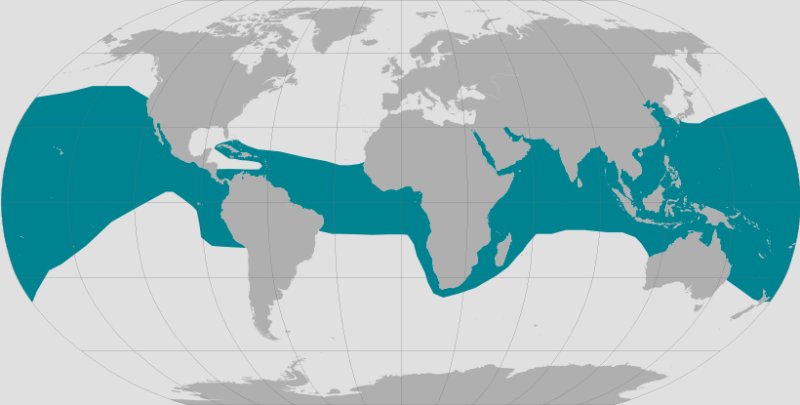
- They are found in warm and tropical waters, primarily in the Pacific and Indian Oceans and warm areas of the Atlantic Ocean.
- The Gahirmatha Beach of Odisha (India) is the most significant breeding ground for these turtles.
Diet
- They are carnivorous,especially in the immature stages of their lifecycle.
Ecological Significance
- Mass nesting influences beach ecosystems and maintains population dynamics.
Conservation Status
- IUCN Red List: Vulnerable
- CITES: Appendix I
- Threats: Unsustainable egg collection, slaughtering on the beach, boat collisions, marine debris, natural disasters,climate change, & beach erosion.
Reasons

It is believed the animals might have drowned after getting entangled in fishing nets, possibly while migrating.
For Breathing surface needs
Experts said that the turtles need to surface for breathing every 40 to 45 minutes and can drown if caught in fishing nets.

Laws in tamilnadu
They called for stricter enforcement of the
- Andhra Pradesh Marine Fishing Regulation Act,
- including action against illegal fishing within 8 km of the coast.
Government and safety
With the Forest Department planning to create four nesting zones next week, concerns have been raised about the impact of artificial lighting along the Visakhapatnam coastline.

WorkING with NGOS
Speaking to The Hindu on Sunday, Visakhapatnam District Forest Officer Ravindra Dhama said:
“We are collaborating with The Tree Foundation to run four hatcheries along the coast.
Special precautions will be taken during the Visakha Utsav (January 23-31) to ensure that the nesting turtles are not disturbed.”

The Andhra Pradesh coastline is a crucial nesting ground for Olive Ridleys (Lepidochelys olivacea), which are listed as ‘vulnerable’ by the International Union for Conservation of Nature (IUCN).
Time period
The turtles typically nest along sandy beaches from December to April.
Source the hindu


Comments
Post a Comment